The Complete Home First Aid Kit Checklist (2026)
Everything a well-stocked home first aid kit should contain, plus how to store it and when to restock. Printable checklist included.
Canes, walkers, rollators and wheelchairs compared, plus how to choose the right mobility aid, set the correct height and stay safe at home.

Canes suit mild balance issues, walkers give the most stability, rollators suit people who can walk further but need rests, and wheelchairs or scooters help with longer distances. A physical therapist can recommend the right aid and set the correct height.
As we age, maintaining mobility and independence becomes increasingly important for our quality of life. Mobility aids for seniors are specially designed medical devices that help older adults move around safely, reduce fall risks, and maintain their active lifestyle. Whether recovering from an injury or managing a chronic condition, the right mobility aid can make a significant difference in a senior's daily activities and overall well-being.
Choosing the appropriate mobility aid is a personal decision. It depends on individual needs, physical capabilities, and lifestyle. This comprehensive guide will help you explore the various options available and find the perfect solution for maintaining independence and safety.
Mobility aids are assistive devices designed to help seniors with walking, balance, and movement. They serve multiple purposes: reducing strain on joints, providing stability, preventing falls, and boosting confidence when moving around. For many seniors, these devices aren't just helpful—they're essential for maintaining independence, participating in social activities, and preventing serious injuries.
The right mobility aid can significantly improve quality of life by enabling seniors to:
Canes are among the most common and affordable mobility aids for seniors. These single-point contact devices provide balance support and help distribute weight away from an affected leg or hip. Standard canes work well for seniors who need minimal assistance with balance or have mild mobility issues.
Single-point canes are lightweight and easy to maneuver, making them ideal for outdoor use and travel. For seniors requiring more stability, quad canes with four contact points offer greater support and are particularly useful for those with significant balance concerns. Canes are available in various materials, heights, and handle styles, allowing for customization to individual preferences and comfort levels.
Walkers provide more comprehensive support than canes and are excellent for seniors with moderate to significant mobility challenges. These devices feature a frame that surrounds the user, offering stability on all sides. Standard walkers require lifting and moving forward with each step, while rolling walkers (with wheels) are easier to use for extended periods.
Walker options include:
Many modern walkers include features like handbrakes, storage baskets, and ergonomic handles, making them practical for daily use while shopping or running errands.
Rollators are four-wheeled walkers that combine mobility with stability. Also known as rolling walkers, these devices are ideal for seniors who need support but want to maintain a more natural walking pace. Rollators are particularly beneficial for those who tire easily, as many models include built-in seats for resting.
Advanced rollators often feature hand brakes, baskets for carrying items, and height-adjustable handles. They're excellent for seniors who remain active and enjoy outdoor activities, shopping, or social outings. The wheels make navigation easier than standard walkers, especially on varied terrain.
For seniors with more significant mobility challenges, wheelchairs and mobility scooters provide essential transportation solutions. Manual wheelchairs are lightweight and compact, while electric wheelchairs offer greater independence for those with limited upper body strength.
Mobility scooters are three or four-wheeled motorized devices designed for outdoor use and longer distances. These scooters are perfect for seniors who enjoy community participation but need reliable transportation. They're available in various sizes, from compact models for travel to heavy-duty versions for outdoor terrain.
Selecting the appropriate mobility aid requires considering several important factors. Your healthcare provider can assess your specific needs and recommend suitable options based on your physical condition, balance capabilities, and lifestyle requirements.
Factors to consider include:
When selecting a mobility aid for seniors, safety should be paramount. Modern mobility aids include numerous safety features designed to prevent accidents and injuries. Look for devices with:
Proper fitting is crucial for safety. An incorrectly sized mobility aid can actually increase fall risk and cause discomfort. Many medical supply stores offer professional fitting services to ensure your aid is adjusted correctly for your height and walking style.
Regular maintenance extends the life of mobility aids and ensures continued safety. Keep your device clean and dry, inspect for wear regularly, and replace worn grips or wheels promptly. For wheeled devices, check tire pressure and brake functionality frequently. Store your mobility aid in a secure location away from extreme temperatures or moisture.
Adjusting to using a mobility aid often requires patience and practice. Many seniors report initial self-consciousness that quickly fades as they realize the freedom and confidence the device provides. Start with short practice sessions in a safe environment, then gradually increase usage. Physical therapy can help optimize your technique and build strength.
Remember that using a mobility aid isn't giving up independence—it's enhancing it. These devices enable seniors to remain active, social, and engaged in their communities for years to come.
Mobility aids for seniors are invaluable tools that support independence, safety, and quality of life. Whether you're recovering from an injury, managing a chronic condition, or simply looking for ways to enhance mobility and prevent falls the right aid can make everyday movement safer and more comfortable.
Consult with your healthcare provider to determine which mobility aid is best suited for your situation, and don't hesitate to explore different options to find the perfect fit. With the right mobility aid, you can maintain the active lifestyle you deserve and continue enjoying the activities that bring you joy and fulfillment.
Independent references for checking the safety, rules and buying details covered in this guide. We are not affiliated with these organizations.
Standing upright with arms relaxed, the handle should line up with the crease of your wrist, giving a slight 15–20° bend in the elbow when you hold it.
A standard walker has no wheels (or two front wheels) and is lifted as you walk, giving maximum stability. A rollator has three or four wheels, hand brakes and usually a seat, making it better for longer walks.
Medical disclaimer: This article is for general information and isn't a substitute for professional medical advice, diagnosis or treatment. Ask a qualified clinician about your situation. Some links are affiliate links; see our disclosure.
Mass Medical Coding reviews your ICD-10-CM, CPT and HCPCS coding and documentation, finds where claims are denied or under-coded, and helps your team fix it.
Request a free revenue assessmentFrom the team behind MedicalSupplie. What a coding review includes
Everything a well-stocked home first aid kit should contain, plus how to store it and when to restock. Printable checklist included.
Which wound care supplies you actually need, from bandages and gauze to hydrocolloid and foam dressings, and how to buy them safely online.
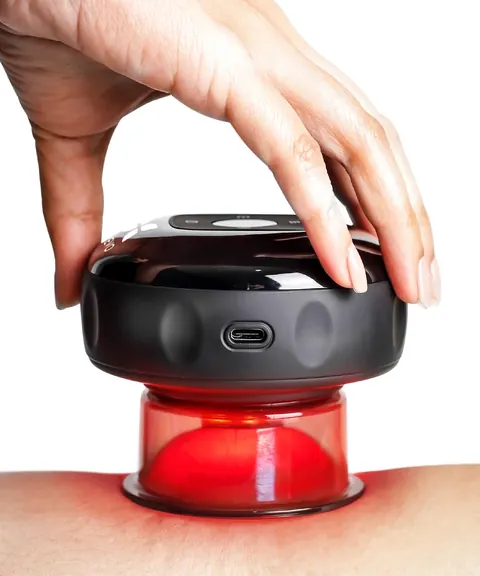
What rechargeable smart cupping devices do, what the evidence says, and simple safety tips for using them on sore muscles at home.