
This content is for general informational purposes and is not a substitute for professional medical advice, diagnosis, or treatment.
Best Home First Aid Kit Under $50
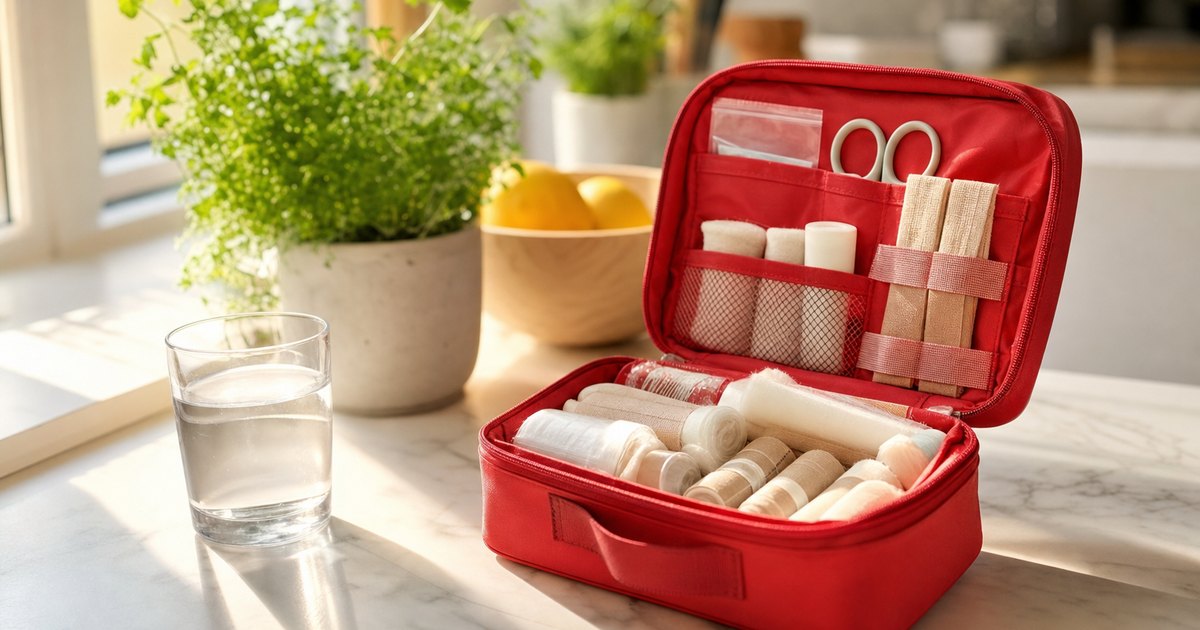
Quick answer
The best home first aid kit under $50 for most households is one you assemble or supplement yourself rather than a single pre-made box, since ready-made kits at this price often skip key supplies caregivers need, like quality gloves and adequate wound dressings. Look for a base kit plus add-on essentials.
- Covers cuts, burns, sprains, and minor illness
- Includes disposable gloves and face coverings for caregiving tasks
- Has clear, readable labeling and an organized case
- Allows easy restocking of used items
- Fits your household's specific risks (kids, seniors, chronic conditions)
- Stores supplies that have not expired
Key takeaways
- A pre-made kit under $50 rarely includes enough gloves, masks, or wound-care volume for a caregiving household, so budgeting for add-ons is common.
- Many caregivers choose nitrile gloves over latex because latex can cause skin reactions in some people, and nitrile also comes in different thicknesses for different tasks.
- Expiration dates on ointments, antiseptics, and medications matter more than the kit's outer packaging quality.
- Separating a mobile kit (car, bag) from a larger home stock can reduce the chance of running out during an emergency.
- Caregivers managing wound care or chronic conditions typically need supplies beyond a generic first aid kit.
Definitions
Nitrile gloves
A synthetic glove material that contains no latex, often chosen by caregivers and used in home and clinical settings as an alternative for people who are sensitive to latex.
Exam-grade gloves
Gloves manufactured to a thickness and quality standard intended for clinical-style tasks like wound care, as opposed to thinner food-service or cleaning gloves.
Trauma shears
Blunt-tipped scissors designed to cut through clothing or bandages quickly without risking additional injury to skin.
Core concepts
Why price caps affect contents, not just brand
A kit priced under $50 generally has to trade off between quantity and quality. Manufacturers may include more items but in smaller sizes, or fewer items at a more usable size. Understanding this trade-off helps you judge whether a kit's item count reflects real usefulness rather than just a long list on the box.
Kits versus modular supplies
A single packaged kit is convenient, but caregivers often find that buying some components separately, such as a box of gloves or a pack of masks, stretches a budget further while giving more usable quantity for ongoing care tasks rather than one-time emergencies. Modular buying also lets you replace only the category that runs low, instead of discarding a whole kit once one compartment is empty.
Caregiving needs differ from general household needs
A kit designed for general home use may not anticipate the needs of someone caring for an elderly parent or a person with a chronic wound. Caregivers may need to prioritize gloves, masks, and wound dressings over items like insect-bite wipes or small scissors that a general kit emphasizes instead.
Matching kit depth to the level of ongoing care
Occasional use, such as a scraped knee once a month, calls for a shallow but varied kit. Daily caregiving tasks, such as changing dressings or assisting with hygiene, call for a deeper stock of a narrower set of items, particularly gloves and absorbent dressings, since these get used up far faster than antiseptic wipes or adhesive strips.
Case design and organization
Compartments, clear labeling, and a case that opens flat can make a real difference during a stressful moment when a family member needs help quickly. A kit with everything loose in one pouch may be harder to search through than one with separated sections for wound care, medication, and tools, even if the item counts are similar.
Decision framework
| Step | Question to ask | Why it matters |
|---|---|---|
| 1 | What does our household actually encounter most often? | Children, seniors, and active caregiving situations each call for different proportions of supplies. |
| 2 | Does the listing show an itemized contents list? | Case size and photos do not guarantee a useful mix of items. |
| 3 | Are gloves and masks included, and in what quantity? | Most budget kits include only a token amount, so a separate box may be needed. |
| 4 | Where will the kit be stored? | A wall-mounted or drawer kit suits the home, while a smaller pouch suits a car or bag. |
| 5 | What is the expiration status of any ointments, wipes, or medications? | Consumables can lose effectiveness or safety over time. |
| 6 | Does the product page specify size, weight, or fit details relevant to your storage space and return policy? | General buying basics like case dimensions and return terms affect whether the kit is practical for your home. |
| 7 | How will used items be restocked? | A kit is only as useful as its weakest-stocked category after first use. |
Real-world scenarios
A household with young children
Minor scrapes and bumps are frequent, so a kit with adequate adhesive bandages, antiseptic wipes, and gloves for cleaning wounds matters more than specialty items. Parents may supplement with FINITEX Black Nitrile Gloves for handling messes hygienically, and keep a smaller version of the kit in a bag for school pickups or outings.
A caregiver assisting an aging parent
Ongoing tasks like wound checks, applying topical treatments, or assisting with hygiene call for a steady glove supply and face coverings when illness risk is a concern. Pairing a basic kit with FuturePPE KN95 5-Layer Protective Face Masks and a larger glove box can be more practical than relying on a small kit alone, especially when care tasks happen daily rather than occasionally.
A kit for the car or a travel bag
A compact version with fewer items but core essentials, bandages, antiseptic, a few gloves, and a small pair of trauma shears, is usually enough for incidental use away from home, while the main stock stays at home.
A home managing a minor chronic wound
Someone recovering from a procedure or managing a slow-healing wound may find that a general first aid kit's dressing supply runs out within a week or two. In this case, a larger stock of sterile dressings and gloves purchased separately from a wound-care supplier often serves the household better than repeatedly buying small kits.
Common mistakes
- Buying by case size alone: A large case does not guarantee useful contents; always check the itemized list.
- Ignoring glove quantity: Many kits include only a single pair, which is insufficient for ongoing caregiving; add a dedicated glove box.
- Skipping expiration checks: Ointments and wipes can degrade; verify dates before relying on a kit in an emergency.
- Assuming one kit covers every scenario: A car kit and a home kit serve different purposes and should be stocked separately.
- Overlooking face coverings: Caregivers around illness or vulnerable family members may want masks on hand, which basic kits often omit.
- Not restocking after use: A kit missing used bandages or gloves provides a false sense of readiness.
- Choosing latex gloves without checking for sensitivities: Latex can cause reactions in some people, which is why many households choose nitrile instead.
- Storing the kit somewhere hard to reach quickly: A kit buried in a closet under other items can cost valuable time during an urgent moment; a visible, accessible spot works better than the most hidden drawer.
Limitations and checks
Contents, item counts, and included accessories can change between kit versions, so always verify the current listing on the retailer's page before purchasing. Expiration dates on consumable items are not something this article can confirm and must be checked at the time of purchase or use. Pricing is not stated here since it can change; confirm current cost on the product page.
Case dimensions, glove sizing options, and whether a mask is suitable for a particular person's face shape also vary by listing and are best confirmed directly on the manufacturer's page rather than assumed from a product name. This guide has not involved hands-on testing of any kit or product named, and any claims about design intent or marketed benefits should be verified against the manufacturer's own description. Certification claims made by a retailer, such as CE marking, are not independently verified in this article, and individual suitability, such as whether a glove material or mask fit works for a specific person, cannot be confirmed here either.
Also on Amazon
Handy extras our readers pick up on Amazon. Compare reviews and delivery times before you buy.
Home first aid kitA stocked kit for cuts, burns and sprains, sized for home or car.Illustrative photo: w_lemay, CC BY-SACheck price on Amazon
- Nitrile exam gloves (box of 100)Latex-free, powder-free gloves for home care and cleaning. Check the ASTM D6319 rating.Check price on Amazon
Digital thermometerFast oral or underarm readings with a fever alert.Illustrative photo: Aussie~mobs, Public domainCheck price on Amazon
Weekly pill organizerAM/PM compartments make it easier to keep a medication routine.Illustrative photo: cogdogblog, Public domainCheck price on Amazon
Search Amazon for more options and compare reviews and delivery times.
As an Amazon Associate I earn from qualifying purchases.
Bottom line
A single pre-made kit under $50 is a reasonable starting point, but most caregiving households get more value by pairing a basic kit with separately purchased gloves and masks in adequate quantity. Prioritize checking the itemized contents and expiration dates over the size or appearance of the case. For ongoing caregiving tasks, supplementing with nitrile exam gloves and protective face masks tends to close the gaps that budget kits leave open. Review your household's specific needs, check current listings, and build a kit that matches real use rather than general assumptions.
Frequently asked questions
Is a pre-made first aid kit enough for a caregiving household?
Not usually on its own. Pre-made kits under $50 tend to include only small quantities of gloves, wipes, and dressings, which may run out quickly during regular caregiving tasks. Supplementing with a separate box of gloves and a pack of masks is a common way to close these gaps without a large budget increase.
Should I choose nitrile or latex gloves for a home kit?
Many households choose nitrile gloves for home caregiving because latex can cause skin reactions in some people. Nitrile also comes in different thicknesses, so a lighter glove can suit general tasks while a thicker exam-grade glove may suit wound care.
How often should I check my first aid kit?
Checking every few months is a reasonable habit, since ointments, antiseptic wipes, and some medications carry expiration dates that affect their usefulness. Replacing used items promptly also helps keep the kit ready for actual emergencies rather than partially stocked.
Do I need a separate kit for my car?
A smaller, separate kit for the car or a travel bag can be useful since it covers incidental injuries away from home without depleting your main household stock. It does not need to duplicate every item in your home kit, just the core essentials.
What should I add to a basic kit for elderly care?
Caregivers assisting seniors often benefit from adding extra gloves, face masks, and wound-care supplies beyond what a general kit includes, since ongoing tasks use more consumables than occasional household injuries. Checking a dedicated home medical supplies guide can help identify specific gaps.
Are masks really necessary in a home first aid kit?
They can be a useful addition, particularly for caregivers in close contact with someone who is ill, since manufacturers commonly market masks as designed to reduce exposure during close contact, though effectiveness can vary by model and use. Basic first aid kits frequently exclude masks, so adding them separately is common.
How do I know if a kit's contents are good quality?
Check the itemized contents list on the retailer's page rather than relying on the case size or marketing photos. Look specifically at glove material, bandage quantity, and whether expiration dates are disclosed, and verify any certification claims directly with the manufacturer.
Can one kit work for both a toddler and an elderly parent in the same home?
A shared kit can cover general needs, but households with both age groups often benefit from a larger, more varied stock than a single budget kit provides. Separating supplies by purpose, such as a children's section with bandages and a caregiving section with gloves and dressings, can make the kit easier to use under pressure.
Sources and further reading
Independent references on topics covered in this guide. We are not affiliated with these organizations.